What Is Qurbani in Islam? The Story, Rules & Meaning Behind the Sacrifice
The days of Dhul Hijjah arrive, Eid al-Adha approaches, and Muslims around the world prepare for one of the most meaningful acts of worship: Qurbani.
For some families, it means choosing an animal and preparing for Eid. For others, it means arranging Qurbani through a trusted organization and making sure the meat reaches people who need it.
But what does Qurbani actually mean in Islam? Why do Muslims perform it, who should offer it, and what are the rules?
Let’s explore the essentials.
Why Is Qurbani Important in Islam?
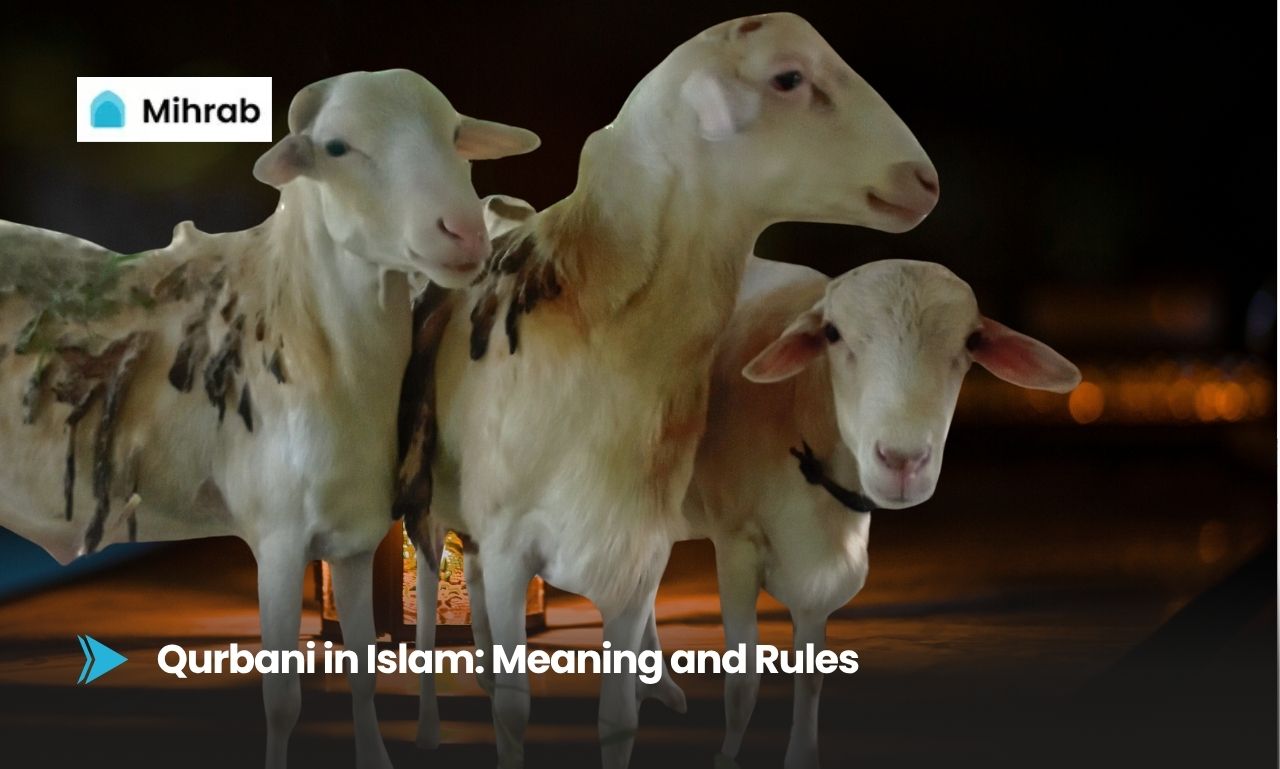
Qurbani, also known as Udhiyah (أضحية), is the sacrifice of an eligible livestock animal for the sake of Allah during Eid al-Adha and the prescribed days that follow.
The practice is closely connected with the obedience of Prophet Ibrahim (AS). When Allah tested Ibrahim (AS) with a command involving his beloved son, he and his son submitted to Allah. Allah then provided a sacrifice in his place.
Qurbani reminds Muslims that true worship means putting obedience to Allah above everything else.
The Quran also emphasizes that the real purpose of sacrifice is not the meat or blood itself, but piety and devotion.
Why Is Qurbani Important in Islam?
Qurbani carries several important lessons:
- Obedience: Following Allah's commands even when they require sacrifice.
- Gratitude: Thanking Allah for His blessings and provision.
Faith: Remembering the example of Prophet Ibrahim (AS).
Generosity: Sharing food with relatives, friends, neighbors, and people in need.
Community: Bringing people together during Eid al-Adha.
Allah says in the Quran:
“So pray to your Lord and sacrifice [to Him alone].” [Surah Al-Kawthar 108:2]
When Is Qurbani Performed?
Qurbani is performed during Eid al-Adha, which falls on 10 Dhul Hijjah, and continues during the days of sacrifice that follow.
The sacrifice should be performed after the Eid prayer. The Prophet Muhammad ﷺ instructed that an animal sacrificed before the prayer does not count as the proper Udhiyah.
There are differences among Islamic schools regarding the final time for Qurbani. Because of this, Muslims should follow the guidance of a trusted local scholar or their madhhab.
Who Should Perform Qurbani?
The ruling on Qurbani differs among Islamic schools.
- In the Hanafi school, Qurbani is generally considered wajib for a financially capable Muslim who meets the required conditions.
- In the Maliki, Shafi'i, and Hanbali schools, it is generally considered Sunnah Mu'akkadah, a strongly emphasized Sunnah, for those who can afford it.
So, whether Qurbani is obligatory for you may depend on your madhhab and financial situation.
If you are unsure, consult a qualified Islamic scholar.
Which Animals Can Be Used for Qurbani?
Qurbani is performed with eligible livestock, including:
- Sheep
- Goats
- Cattle or buffalo
- Camels
The animal must meet the required age and health conditions. It should also be free from serious defects that would make it unsuitable for sacrifice.
The exact age requirements can differ in some details between schools of Islamic law, so it is best to check with a trusted scholar when selecting an animal.
Can One Animal Be Shared?
Yes.
- One sheep or goat generally counts for one person.
- One cow or buffalo can have up to seven shares.
- A camel can also have up to seven shares.
Each participant should have a separate intention for their share.
How Should Qurbani Meat Be Distributed?
The Quran encourages Muslims to eat from the sacrifice and feed those in need.
A commonly practiced method is to divide the meat into three portions:
- One portion for your household
- One portion for relatives, friends, or neighbors
- One portion for people in need
However, dividing the meat into exactly three equal portions is not a universal requirement. The important principle is to share the benefit of Qurbani, especially with those who are struggling.
The Prophet ﷺ also allowed people to eat, store, and give away Qurbani meat.
Can Qurbani Be Given to Poor People?
Yes. Helping people in need is an important part of the spirit of Qurbani.
For many families, Eid is a time when they can enjoy meat that may not regularly be available to them. Sharing Qurbani therefore turns an act of worship into an opportunity for generosity and community care.
Can You Perform Qurbani in Another Country?
Yes, it is possible to arrange Qurbani through a trusted organization in another country.
This can be especially useful when the sacrifice can reach communities facing poverty or food insecurity.
Before choosing an organization, make sure it:
- Uses eligible animals
- Performs the sacrifice within the correct Islamic timeframe
- Follows proper Islamic slaughter practices
- Provides clear information about where the Qurbani is carried out
- Has a trustworthy reputation
Can Qurbani Be Performed on Behalf of Someone Else?
Qurbani can be performed on behalf of another living person with their permission.
Performing Qurbani on behalf of someone who has passed away involves differences of scholarly opinion and circumstances. If you want to make Qurbani for a deceased family member, it is best to ask a qualified scholar according to your madhhab.
Qurbani vs. Aqeeqah: Are They the Same?
No.
Qurbani is associated with Eid al-Adha and the prescribed days of sacrifice.
Aqeeqah is connected with the birth of a child and is performed as an act of gratitude to Allah.
Although both involve animal sacrifice, they have different purposes and occasions.
What Should You Say When Performing Qurbani?
What Should You Say When Performing Qurbani?
The sacrifice should be performed in Allah's name. The person carrying out the slaughter should mention Allah's name according to the requirements of Islamic slaughter.
A commonly recited phrase is: Bismillahi Allahu Akbar (In the name of Allah, Allah is the Greatest).
The animal should also be treated with care and slaughtered according to Islamic guidelines.
What Is the Main Lesson of Qurbani?
Qurbani is not simply about sacrificing an animal. It is about what we are willing to sacrifice for Allah.
The Quran explains that neither the meat nor the blood reaches Allah. What reaches Him is the believer's taqwa, or piety.
That makes Qurbani a powerful reminder to look beyond the physical act and focus on sincerity, obedience, gratitude, and generosity.
Qurbani in Islam: Quick Answers
What does Qurbani mean?Qurbani means sacrificing an eligible livestock animal for the sake of Allah during Eid al-Adha and the prescribed days of sacrifice.
Why do Muslims perform Qurbani?
Muslims perform Qurbani as an act of worship and to remember the obedience and sacrifice associated with Prophet Ibrahim (AS).
When does Qurbani start?
Qurbani begins after the Eid al-Adha prayer, according to the relevant Islamic ruling.
Which animals are allowed for Qurbani?
Sheep, goats, cattle, buffalo, and camels can generally be used if they meet the required Islamic conditions.
Can seven people share one cow for Qurbani?
Yes. A cow or buffalo can generally be divided into up to seven Qurbani shares.
Should Qurbani meat be divided into three parts?
Dividing it into three portions is a common practice, but an exact three-way division is not a universal requirement.
Can Qurbani be performed in another country?
Yes. Muslims can arrange Qurbani through a trustworthy organization in another country, provided the sacrifice is performed according to Islamic requirements and within the proper time.
Final Thoughts
Qurbani brings together some of the most important values of Islam: faith, obedience, gratitude, sacrifice, and generosity.
As Muslims celebrate Eid al-Adha, Qurbani offers more than a meal. It is a chance to remember Prophet Ibrahim (AS), worship Allah sincerely, and share the blessings He has provided with others.
The heart of Qurbani is simple: sacrifice for Allah, be grateful for His blessings, and make others part of your joy.